
Welcome to our web design blog
Here you will find our latest web design, email and internet security related articles. Take your time to post a comment / question and rate topics that you find interesting.
Artekeramiko – Optimized Wordpress website design for functional and artistic ceramics
We’re excited to present one of our latest works: new exclusive website designed for Artekeramiko, a contemporary ceramic artist whose work balances art, material, and form. Each piece is a sculpture, and from the start, we knew that web design had to fully reflect that sensibility.
We crafted an elegant and understated visual website design using clean typography, generous negative space, and a layout that puts the artwork in front and center. The navigation is developed to be smooth and intuitive, and entire interface conveys calm, balance, and quality. Visiting the website feels like walking through an online gallery.

A key aspect of this web design project is proper photography integration: we worked with high-quality images, carefully selected and processed to showcase the texture, volume, and light of each piece. These images are not only seamlessly integrated into the design but also serve as the heart of the site's visual journey.
From a technical standpoint, the website is developed based on WordPress, fully responsive, and features an optimized caching system that ensures fast loading times even with rich visual content. It’s a solid foundation designed for growth and easy management.
Tuesday, 24 June 2025 by SmoothStep Web Design
Read full articleArtekeramiko logo design for ceramics studio in Malaga
We have designed this logo for ArteKeramiko ceramics studio. Graphic design is prepared according to their visual identity, they wanted it to reflect everything that inspires and defines this project of contemporary ceramic art - both artistic and functional.

Tuesday, 20 May 2025 by Smooth Step
Read full articleFull website design and development works for IMS Mortgages Company
Happy new year 2025. Here is another addition to our portfolio. We were contacted by one of our existing clients - IMS Mortgages Company situated in Costa del Sol - to upgrade their content driven website dedicated to advice on mortgages in Spain. We have prepared a completely new exclusive website design according to latest standards and developed it in latest HTML5 and PHP based on Wordpress backend.
New website features a modern header design with drop down navigation menu, phone and email contact options, animated slideshow with integrated mortgage calculator, followed by well-organized content in 2 and 3 column structures, highlight of their most important services, latest articles section with photos and brief descriptions, ask a question contact form on all pages and footer with highlights, contact details and social media links.

All other content pages have been redesigned as well adapting them to the new multi-column structure. Website comes with two templates, one with bigger header with the calculator and another with compact one designed for contact page.
Website is optimized to work well on all different browsers and screen sizes including tablets and mobiles. Responsive mobile version has a different menu design which opens from the side, smaller header, expandable mortgage calculator section and content optimized for both horizontal and vertical mobile screens. IMS mortgages website is also highly optimized for SEO on Google organic search results. With years on content optimization and positiong work it ranks very well on different competitive keywords in top 10 search results.
Wednesday, 15 Jan 2025 by SmoothStep Web Design
Read full articleSmoothStep Real Estate Software upgrade for Resales Online Ajax API V6
We have just unrolled our Wordpress based Real Estate website software update to support Resales Online Ajax API V6. Their new V6 API version design offers compact JSON output which makes it run much faster compared to standard XML as XML data is bulkier, it takes longer to download and decode by website hosting server.
Exclusive website real estate listings
Apart of dynamically loaded properties from Resales Online network our software allows adding exclusive real estate listings to be added directly to the website in Wordpress admin - property section.
These exclusive properties have the same design as Ajax API properties and are developed to be shown above Resales Online listings in search results.
Ready for online marketing
Our Ajax API integration is fully SEO friendly, each dynamic property is listed with its unique URL web address. Property listings are designed to be SEO friendly as well, with static URLs for listings by area and property type.
Both real estate listings and individual property pages are equipped with automatic SEO titles to make sure that they are all indexed by search engines.

Multilingual website support
SmoothStep Real Estate software is designed with multilingual support in mind. All property search data is imported in required languages. Resales Online data is available in 14 languages in total.
Developed for performance
Our real estate software is developed to provide additional speed by caching real estate listings and details data for certain amount of time, very important to prevent website slowdown when there are many repetitive requests when website is being indexed by different search engines, such as Google, Yahoo, Microsoft and others.
When running using our Ajax API implementation website takes less space on the sever compared to property import as full-size real estate photos are loaded directly from Resales Online CDN server. When smaller property photo sizes are required we have developed dynamic photo resizing - our server downloads the required photos and resizes them on the fly for correct display on the website.
Websites build on Resales Online Ajax API also consume less hosting server CPU resources because searches are performed on Resales Online server. Such real estate websites are easier to build therefore their development price is reduced. The downside is that for order search to work real estate agency needs active Resales Online account.
Test SmoothStep Real Estate software on a working website: Our latest Real Estate software version is already running in 3 languages on a client website, they are using third party server which is not very fast (on our web hosting server real estate engine runs around 3-4 times faster), however you can test it here: realestatemijas.com
You can find more info about our latest real estate engine features by following the link button below.
Friday, 25 Oct 2024 by SmoothStep Web Design
Read full articleReal estate website development based on our exclusive design for a company in Mijas Costa
We have been contacted by Bona Fide Costa real estate agency in Mijas to design and develop a new real estate website based on Wordpress according to their design and SEO marketing specifications.
Different versions of the design were presented to the agency and once approved website was developed based on our latest Wordpress based real estate software orignally equipped with fully automated Resales Online XML feed importer with multilingual and mobile/tablet support. Recently we have upgraded the website to use Resales Online Ajax API property search service instead.
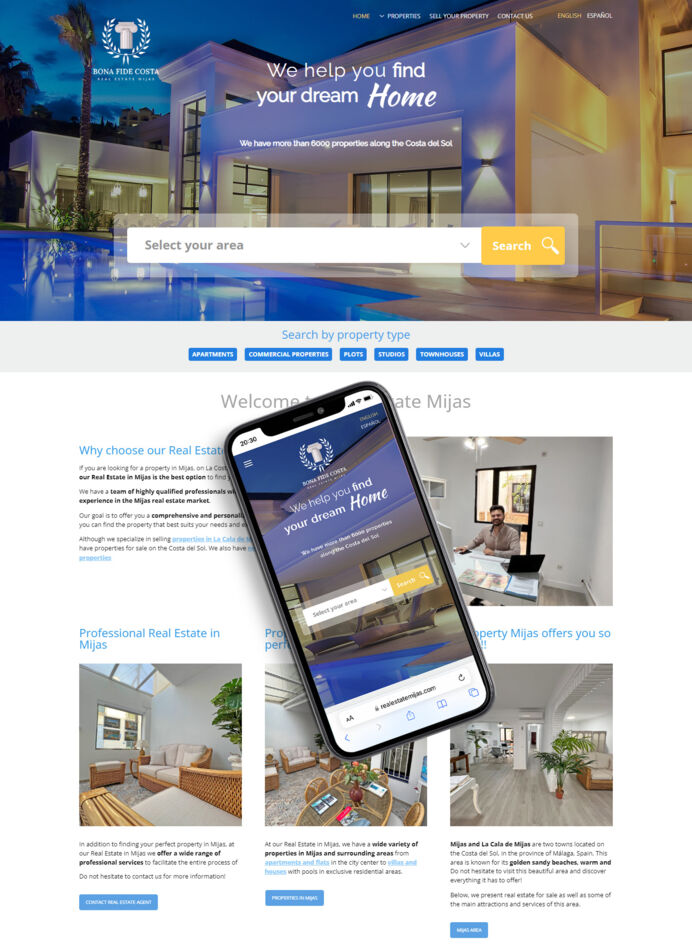
Website features our exclusive design, header with animated text, different real estate sections with scrolling animation, two different property search panels on website header, static SEO marketing pages with mixed content and property listings and much more. All website elements are optimized for mobile and retina screens.
Tuesday, 27 Aug 2024 by SmoothStep Web Design
Read full articleCustom real estate website designed and developed for a US company
Realties Abroad website is designed to offer real estate in Europe and other areas for American clients. We were instructed to develop their new real estate website with multiple XML property feed import in different currencies and an advanced property search in US dollars. Fully automated real estate import and currency conversion rates are designed to update daily every morning.
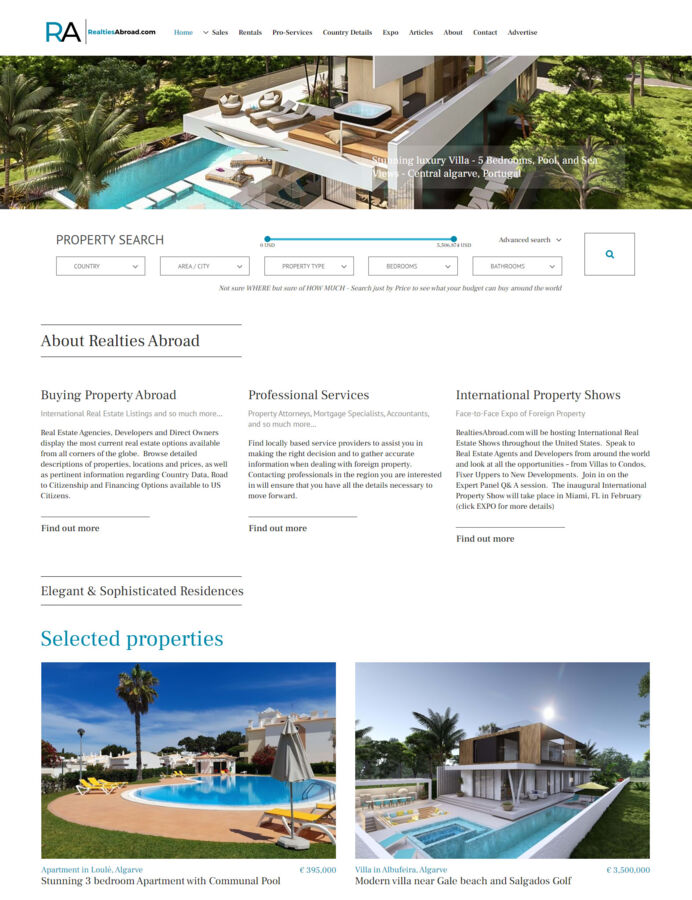
Website is based our exclusive design and custom web development based on Wordpress and our proprietary real estate software. We have implemented many modern web design features such as automatic real estate slideshow based on which properties are in featured category, property photo galleries with modern full screen preview, real estate search with price range selector and expandable advanced search feature where it is possible to filter properties by their features, as well as animated content in multiple columns, 3 column sticky navigation menu, Google maps integration, different contact forms and many others - All optimized for mobile and tablet screens.
Monday, 2 Oct 2023 by SmoothStep Web Design
Read full articleWebsite design upgrade for a real estate construction management company in Marbella
Company MDCI Spain offers project management services for luxury real estate construction in Marbella and other areas in Costa del Sol. We were hired to upgrade their old website using two customized Wordpress templates of their choice – One for website header and other for the content.
Combining the two themes is a challenging task due to their different frameworks and Wordpress admin settings. We love challenges and after web development works were completed the resulting website looks much better compared to the old site and the two chosen Wordpress themes.
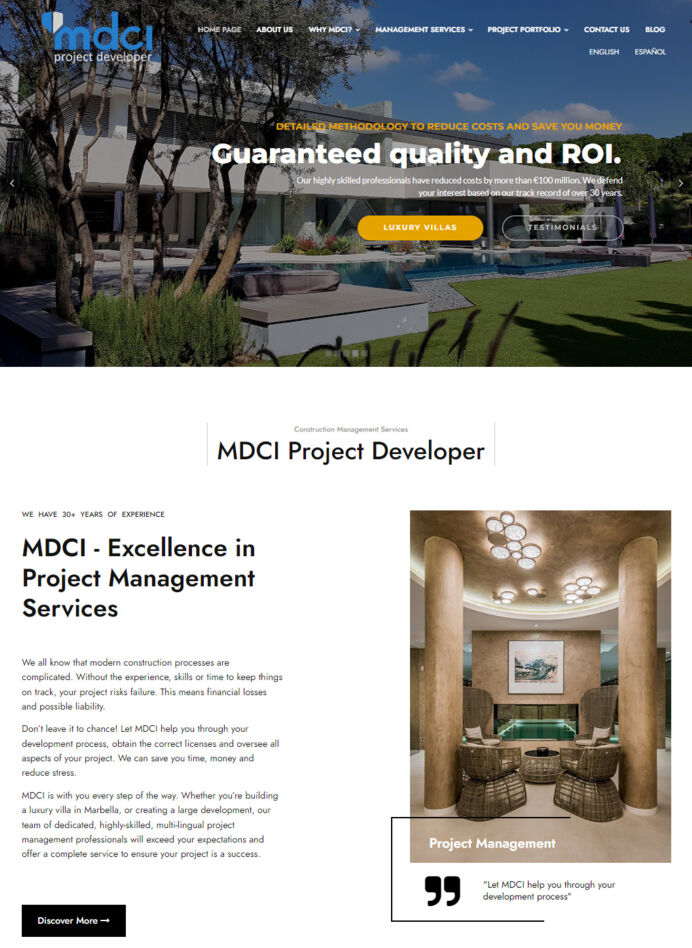
Website features a modern web design with header and content animations, scrolling and hover effects for various sections displaying their management services, testimonials, project portfolio as well as contact forms and direct call from mobile devices .
Wednesday, 15 Feb 2023 by SmoothStep Web Design
Read full articleSecond PropertyOSO real estate website upgrade based on our exclusive design
During second upgrade we have redesigned website header, implemented featured slideshow and a more modern search system which updates available property type and other dropdown values depending on chosen area. In previous update we have extended the site with our Wordpress based real estate software which handles extra fields and automatic XML feed import.
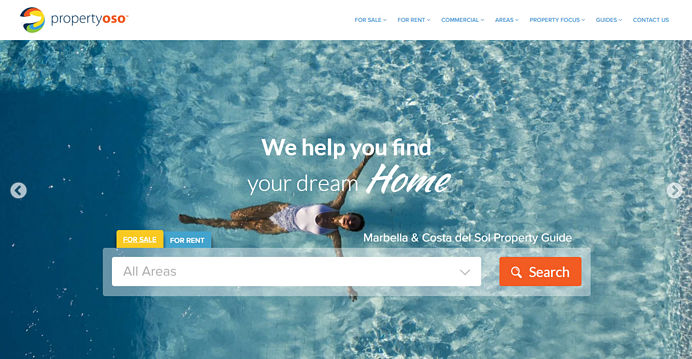
All the fields from MilenioPlus XML feed were mapped to existing fields on the website so property search would keep working. All the extra fields such as property features are handled by our real estate software which enables third column when editing each property in Wordpress administrator. On the frontend these fields are listed in multiple columns with mobile and tablet support.
Friday, 17 June 2022 by SmoothStep Web Design
Read full articleMonalisa Homes Business card design
Elegant logo and business card that we have designed for Monalisa Homes, real estate company based in Nueva Andalucía, Marbella. We wanted to offer a different format, and proposed a vertical oriented business card in a blue greenish color and golden letters with an elegant and modern touch that facilitates the visualization and reading of the information of the company.
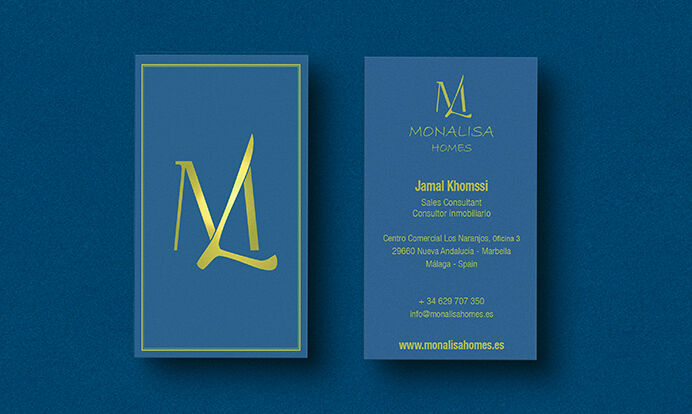
The front design of the business card shows the first letters of Monalisa Homes companu logo in golden letters, all the personal details and information of the real estate agency are on the rear side.
Thursday, 31 Mar 2022 by SmoothStep Graphic Design
Read full articleInteractive music website design using latest web development techniques
We have just released a new Wordpress based website developed for Colegium Musicum - Classical music choir and orchestra situtated here in Costa del Sol.
Since they are a non lucrative organization we used economic web design based on Rosa website template which we have modified and improved to fit client requirements.
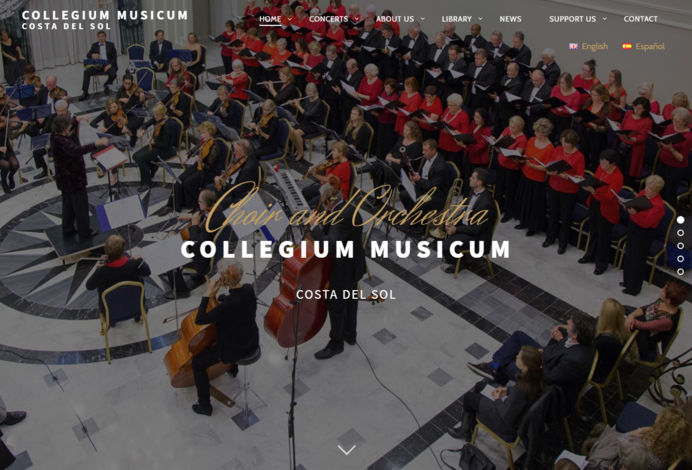
Available in both English and Spanish Collegium Musicum website features many different mobile friendly content layouts, beautiful photo galleries with full screen preview, blog, concert section, download area and much more.
Website is using latest web development techniques, its sections are joined into large pages separated by full screen photos with parallax photo effect and scrolling text animations.
Thursday, 9 Dec 2021 by SmoothStep
Read full articleCoffee Roasters e-commerce website development
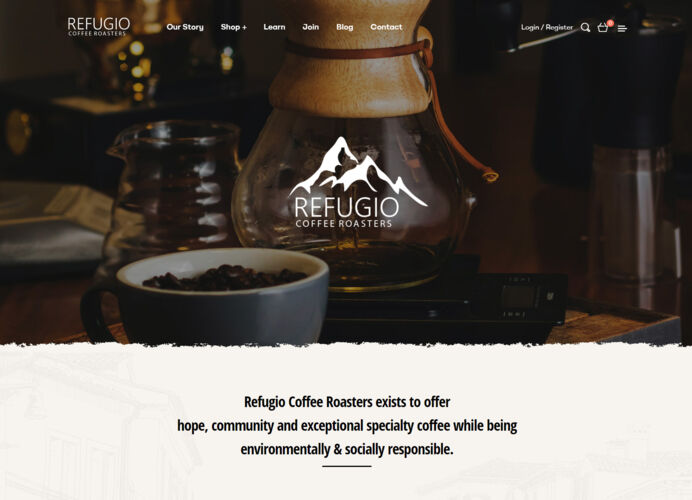
We have just unrolled a new e-commerce website for Refugio Coffee Roasters company in Marbella which offers specialty coffee at discount prices.
Website features a very modern design with lots of special effects such as subtle photo zoom on header slideshow, scrolling and mouse over effects on various elements, different layouts for each page. All this jazz is managed visually with various premium WordPress manager plugins. E-commerce engine is handled by Woocommerce, website offers both products and monthly coffee delivery subscriptions with bank transfer and Credit Card/Paypal options.
Thursday, 1 Apr 2021 by SmoothStep Web Design
Read full articleHigh end laser engraved business cards for Smooth Step Web Design
We got access to very expensive industrial fiber laser which can engrave on metal at 800dpi. Such printing is suitable for anodized alluminum business cards, eurorack module panels and even high resolution PCB prototyping.

Photo above shows two versions of our new business card design which will serve to promote our web design and development services in Marbella.
Wednesday, 1 July 2020 by SmoothStep Web Design
Read full articleReal estate website design and development for Monalisa Homes in Marbella
Monalisa Homes website features our exclusive design and latest version of our real estate software with fully automated property import from Resales Online network.
XML real estate importer has been upgraded to import properties and all real estate fields in 3 languages creating relations for full multilingual support, only import properties from Marbella, also automatically delete properties that were sold or went out of market.
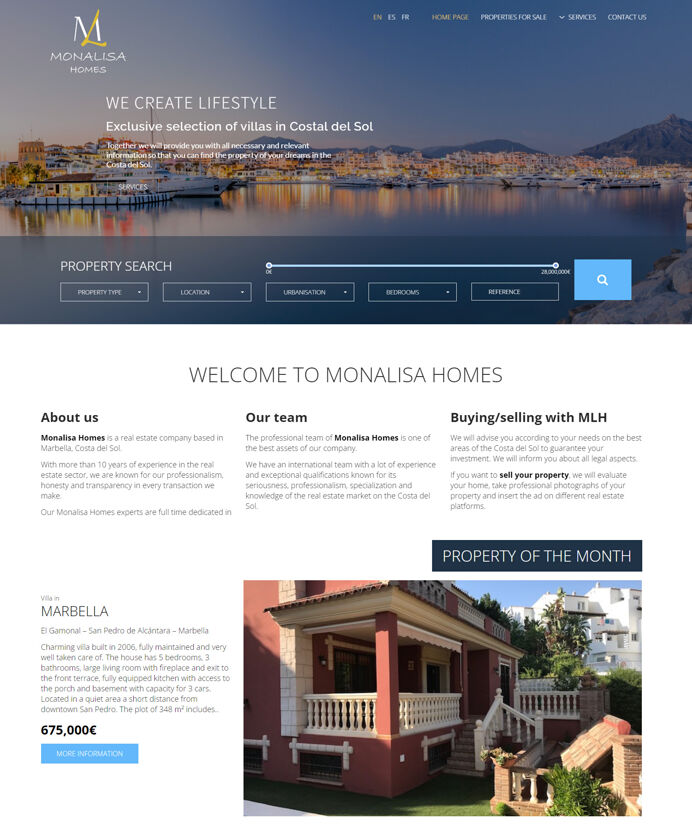
Website design has been implemented using many modern features such as semitransparent search bar and navigation menu over background photos, header with animated text, different column structures for website content, property of the month as well as featured and top properties - Each design element carefully optimized for different screen sizes and mobile displays.
Wednesday, 6 May 2020 by SmoothStep Web Design
Read full articleModern E-Commerce website developed for HomeSet Design luxury furniture shop
HomeSet Design Luxury furniture e-commerce website has been developed integrating Prestashop manager and customized Logancee premium theme which we have upgraded adding new features including full screen mobile friendly product photo preview, dynamic photo zoom, custom forms and improved visual styles.

Website offers various payment systems: Bank Account, Paypal and direct Credit Card payment via Redsys, Sabadell which were implemented using official Prestashop plugins.
Wednesday, 11 Mar 2020 by SmoothStep
Read full articleReal estate photography
Statistics indicate the importance that professional photography has in order to have a successful real estate agency. High quality real estate images increase property sales in a big percentage, besides properties with many good pictures sell faster, quality real estate photos can increase selling price as well.
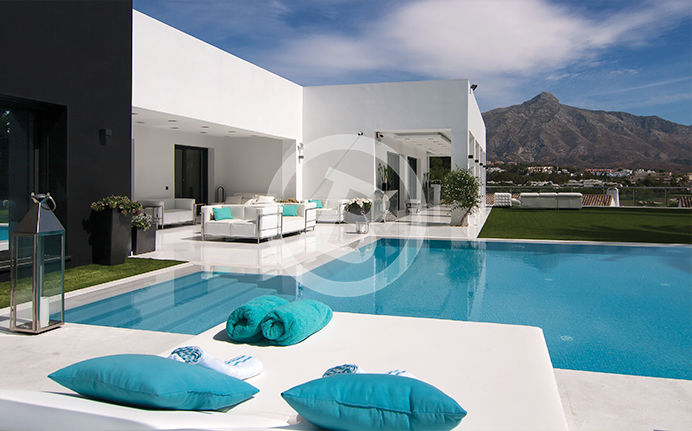
Our photographers are specialists in exterior, interior, detailed and night real estate photography. We offer the real estate agency or the seller an exclusive, professional and complete catalog of a real estate object. We have also worked with different interior designers and decorators offering full photographic projects of their creative works.
More than 10 years dedicated to professional design and photography in Marbella, Málaga we cover all of Costa del Sol, from Estepona to Nerja.
Monday, 27 Jan 2020 by SmoothStep
Read full articleBunnikTours PDF app, Australia
Our company has developed state of the art web software for an australian BunnikTours travel agency. The application is based on dynamic windows that opens on top of their main site. The software is based on JSON technology which means that the software is actually loaded from our server allowing cost efficient development since the client doesn’t have to buy our framework and libraries.
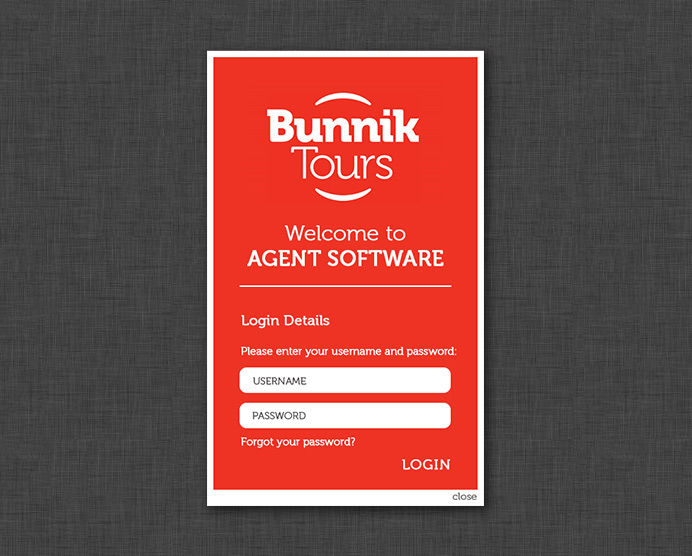
The software features a secure login, client management, client profile with high definition logo upload and real time PDF rendering capabilities merging BunnikTours PDF brochures with client logo and contact details written in corporate TrueType font used by the company.
Saturday, 21 Dec 2019 by SmoothStep
Read full articleWebsite redesign for Blueview Real Estate Marbella
We have been instructed by Blue View Properties real estate company in Marbella to upgrade their old Wordpress based website with a modern design and a new real estate engine with Resales Online integration.
For this we have used latest version of our Real Estate software with brand new XML feed importer which downloads Resales Online property feed each morning and imports/updates all properties automatically.
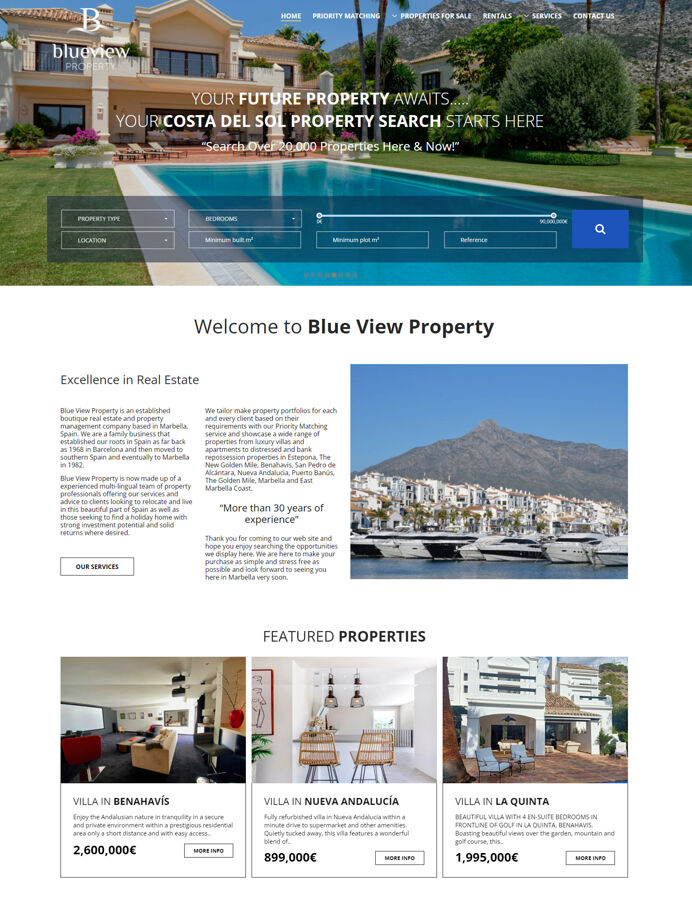
Site features our exclusive design and web development. Property pages are equipped with a new slideshow and full screen preview, special algorithm that generates related real estate similar to each listing, maps integration. Each page on the site has integrated property search, website provides different property categories and a variety of guides related to their most important services. Home page features their most important properties, real estate categories and a list of services with minimalistic buttons and modern icons.
Tuesday, 18 June 2019 by SmoothStep Web Design
Read full articleEasy to use website desiged for a luxury real estate developer in Marbella
Visage Luxury Homes is a real estate developer building luxury properties Marbella and other areas in Costa del Sol. We were instructed to develop an easy-to-use website with minimum number of pages and our exclusive web design where their developments would be listed on the home page. For this we have implemented a scrolling layout - developments menu item automatically scrolls to property listings on website home page.
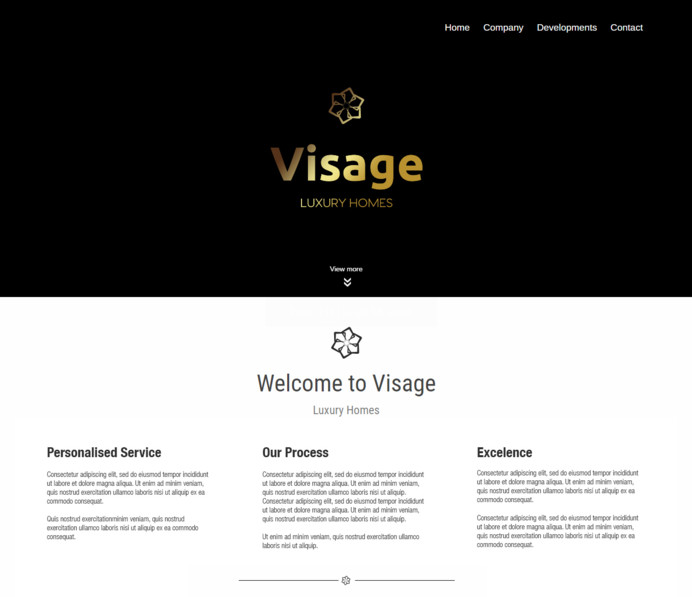
Property development listings are powered by Real Estate Software designed by our team which was customized to accommodate extra fields and services according to client requirements. Each property features its photo gallery with full screen dynamic preview, PDF download area, automatic Google Maps, Youtube Video and 360 degree view integration - all optimized for mobile and high-resolution retina screens.
Tuesday, 12 Mar 2019 by SmoothStep
Read full articleReal Estate Software with integration to Resales Online and Infocasa property networks
We have finished developing our new Real Estate Engine which provides property area on Wordpress administrator where one can easily add properties, new locations, manage photos and property plan PDFs for each property. Software provides integration with Resales Online, Milenio Plus and Infocasa real estate networks.
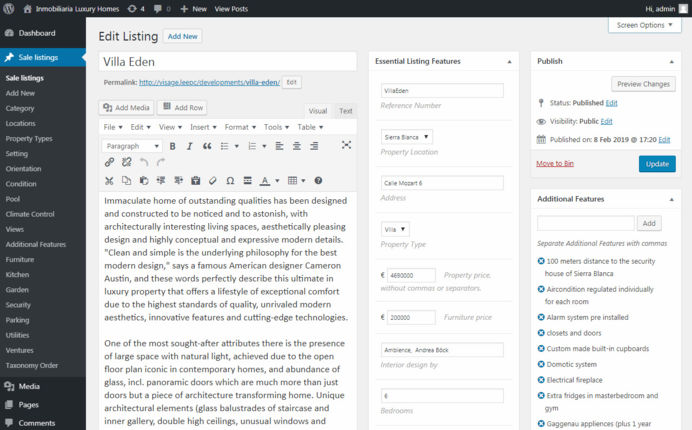
Our real estate engine is designed to be SEO friendly and easy to use. On website it provides property search with range selectors compatible with mobile touch screens and custom dropdowns, as well as property listings and individual property pages displaying all real estate features and an automated Google Map of the area.
Software is optimized for high performance designed to handle busy multilingual websites with thousands of properties.
Wednesday, 23 Jan 2019 by SmoothStep
Read full articleBrunetti Real Estate logo design
Brunnetti, an Italian owned real estate agency opening offices here in Marbella inquired a logo design to be based on classic Italian design approach which we really like and were glad to produce.
This logo is designed using vector graphics with quality fonts, stencil effect and minimalistic real estate related decorations.

Wednesday, 21 Mar 2018 by Smooth Step
Read full articleHigh end real estate website development with Resales Online integration
We were requested to develop a large real estate website with both exclusive properties managed by our Wordpress Real Estate Software and Resales Online property database integrated into a single SEO friendly property search system. Sbai Concept real estate website features our exclusive web and logo design.
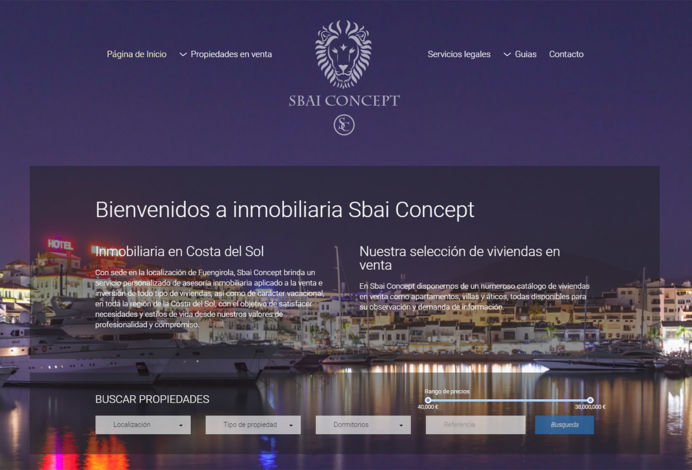
With over 20.000 real estate properties for sale in Costa del Sol website works lighting fast due to our optimized PHP 7 development and a proprietary caching engine. Site features property listings pages for each area which are optimized for search engines, semitransparent real estate search panel, custom dropdowns, logarithmic price range selector with touch screen support, optimizations for mobiles and tablets as well as HD photo delivery for retina displays.
Tuesday, 19 Dec 2017 by SmoothStep
Read full articleHigh end web design for Benahavis Hills real estate resort
We were instructed to use a different, more visual approach developing this website. Its design is based on semitransparent panels over a static full screen photo of their property resort. We have also designed high end PDF brochures for each of their available villas.
Having been provided with many HD photos we have designed beautiful pages for each villa with expandable slideshows and a full screen photo preview optimized for retina screens.
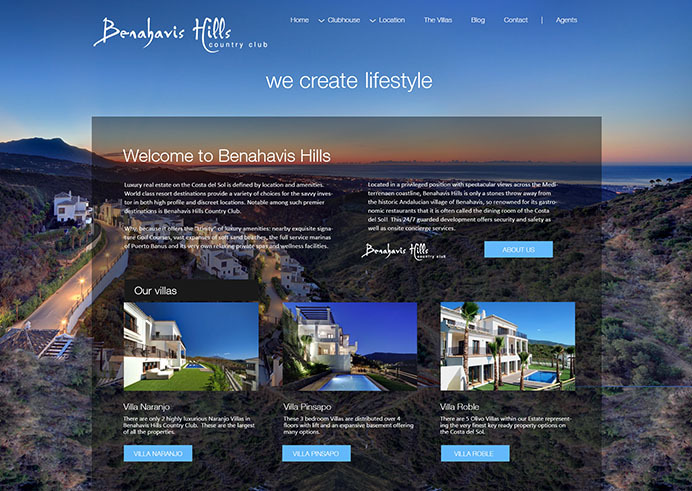
Site also features a customized location map, interactive villa highlighter, agent registration with administrator approval and a restricted download area with PDF generator which automatically adds agent logo and details to downloaded PDFs.
Sunday, 19 Nov 2017 by SmoothStep
Read full articleCost efficient web design solutions based on predesigned templates
Apart of exclusive design we offer cost efficient website solutions based on predesigned templates, such websites are not unique but with over 10 years of experience in web design and development business we can customize them or even change their design completely maintaining the management software.
Design for bar & restaurant websites
Restaurant websites require unique services for to manage table reservation, food menu and order delivery management. We would like to offer quality Rosa bar & restaurant website template with clean mobile friendly design and restaurant services managed using Wordpress content manager.
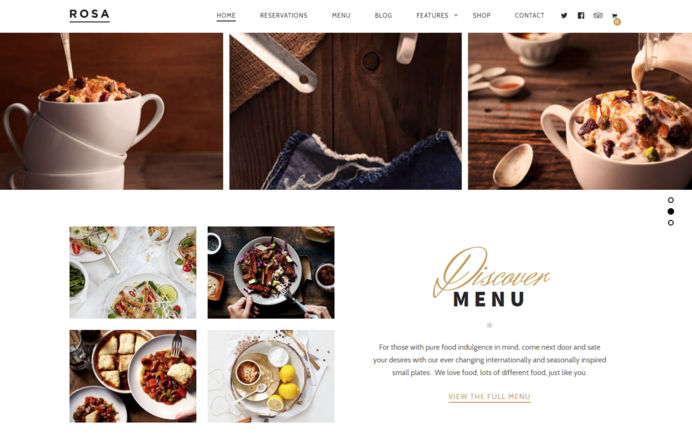
This theme can be customized/redesigned to fit the needs of any restaurant or bar.
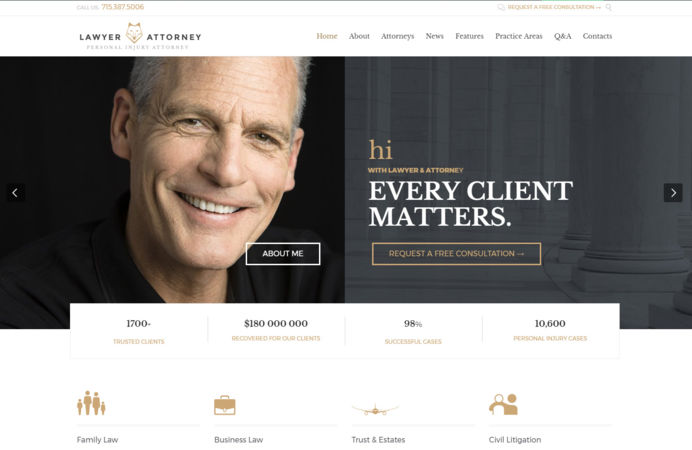
Design for lawyer and attorney sites
Lawyer websites generally contain many pages of content explaining all their services, opening office hours, team section, testimonials, case studies and question/answer service.
Lawyers and Attorney website theme handles all these services with Wordpress administrator, it also offers a clean responsive design which can be customized by our web design team.
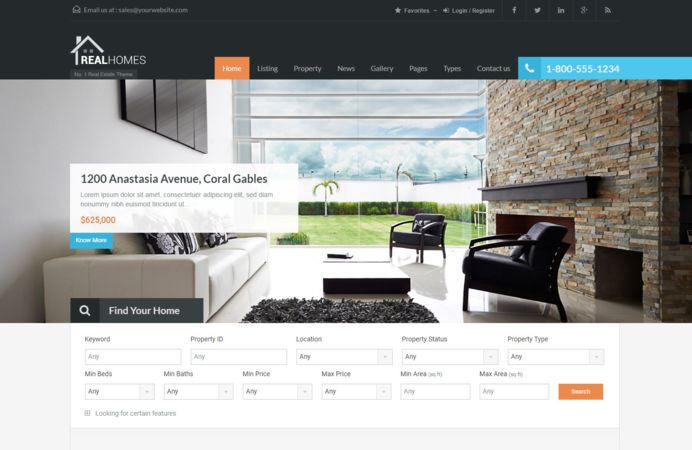
Real estate web design templates with integrated property managers
Apart of offering web design based on our own real estate manager and our exclusive design we also build cost efficient real estate sites based on predesigned templates.
Real Homes property website template offers highly customizable property manager paced with many useful real estate features including property search and individual property pages, client account registration as well as accounts for property owners where they can publish their properties. As an alternative we also suggest WP-Real Estate 7 theme.
E-Commerce website design based on Prestashop and online shop templates
Prestashop is a powerful e-commerce manager with administration section where one can add products, their categories and features, manage stock, client accounts as well as website menu and content.
Design for online interior decoration and furniture shops
For interior decoration and furniture shops we offer Indecor e-commerce website template specially designed to handle a furniture related website. If offers a responsive design, featured products on the home page, clean product listings with product ratings, payment system and everything else needed to start an e-commerce business.
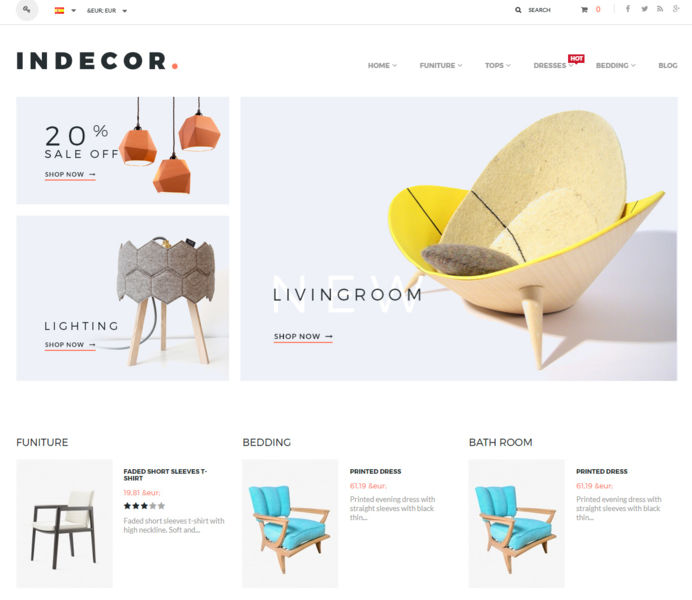
This template design can be improved installing full screen photo slideshow on home page with transparent menu over it, redesigning sub-menus and product listings implementing expandable product search above product listings.
Fashion website shop designs
Fashion and clothing shops usually require clean design with large high quality photos. To offer cost efficient e-commerce solutions we suggest Leka and Panda clothing shop templates which can be improved and customized by our web design team.
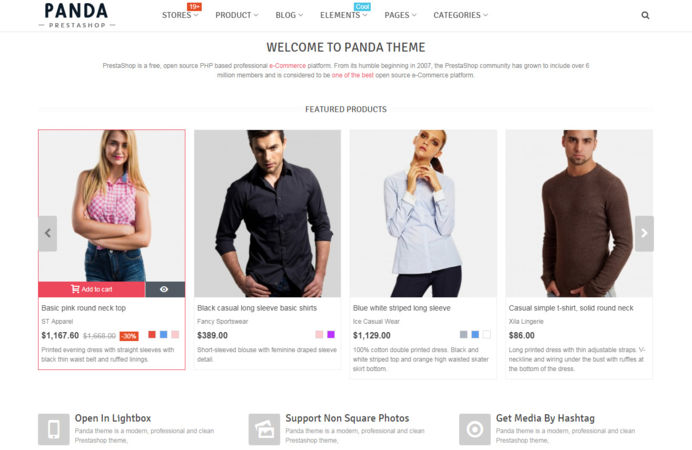
Main improvement for these e-commerce themes would be to redesign product listings so they would expand to full width of the screen placing search above the listings, we can also redesign website menu, footer and all other parts.
Wednesday, 27 Sep 2017 by Smooth Step
Read full articleWebsite security and repair services
We have rolled up a new service offering website security services in response of having several requests to cleanup corrupted sites. When performing the cleanup works we were able to determine that all of them were infected due to outdated open source content management software such as Wordpress, Prestashop or one of their free plugins.
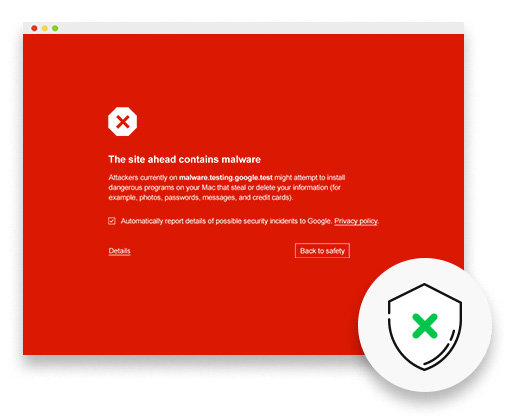
Open source means that the source code of the manager is available to the public therefore whenever new update becomes available with documented security fixes – all sites sites having outdated software version become in risk of being compromised. We offer both managed website security updates and compromised website cleanup services, as well as spam protection for contact forms, SHA password protection and SSL encryption for sensitive data communications.
Monday, 28 Aug 2017 by Smooth Step
Read full articleResponsive design for our development site
We have finished responsive design implementations for our development site, now it is fully compatible with all phone and tablet resolutions.

The site programmed to automatically adapt to detected mobile or tablet screen loading mobile menu and responsive panel design versions so everything would look good on detected resolution.
Sunday, 16 July 2017 by SmoothStep
Read full articleOptimizing client websites for responsive mobile support
Recently we got quite a few requests from various clients to optimize their websites for mobile and tablet support.
Since different mobile and tablet devices have different screen resolutions we have implemented a HTML technique called Liquid Design where website design automatically expands to the available screen size providing best accessibility to all devices.
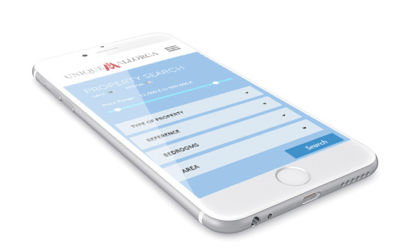
We would like to present two of our best recent works. IMS Mortgages large content driven website and complex Unique Mallorca real estate where we have implemented custom mobile friendly dropdown selectors, visual price range selectors, restricted area and much more. Please visit our mobile optimization page by clicking on the link below and try the sites on your mobile device.
Friday, 12 Aug 2016 by Smooth Step
Read full articleNew real estate website designed based on our latest real estate software
We have upgraded Rima Consulting real estate website applying our exclusive design and latest real estate manager customized according to agency requirements with extra property fields, multilingual support as well as holiday and long term rental sections.
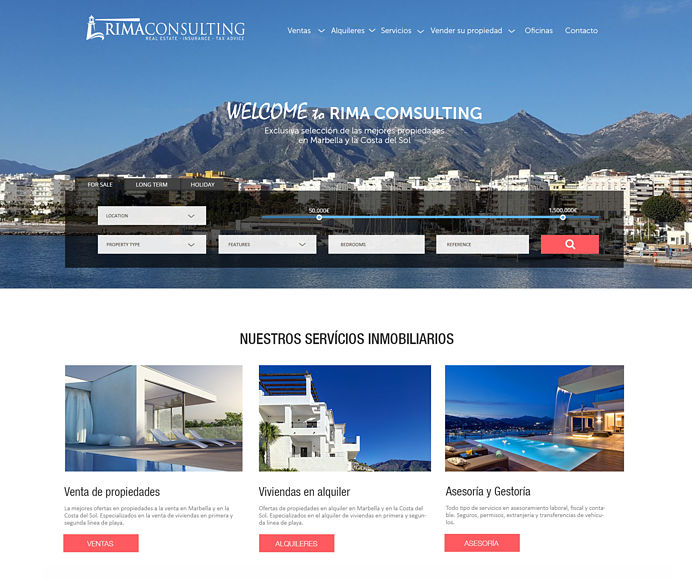
Our real estate manager provides easy to use administration, SEO friendly multilingual property listings with lots of well formatted fields, sales and rentals search automated Google Maps integration, PDF generator and related properties section - all optimized for mobile and retina displays.
Monday, 16 May 2016 by SmoothStep
Read full articleRental website design and development based on our customized real estate software
TickTock rent website offers an interactive map of Costa del Sol showing the amount of rental properties they have in the area, also 4 types of rentals each with unique set of fields and search options.
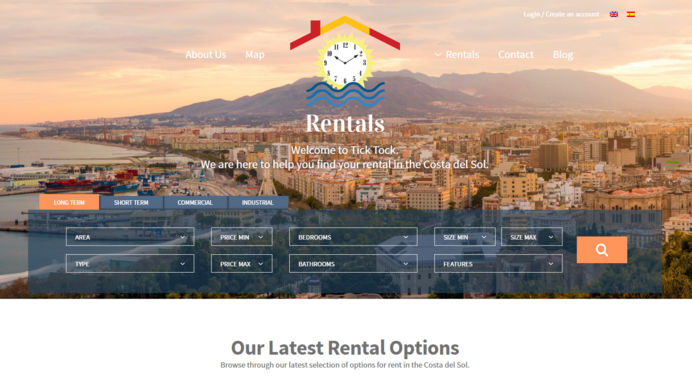
Powered by our latest version of real estate software site is optimized for SEO with related properties widgets and SEO friendly link structure. Each rental object page is integrated with Google Maps which shows the exact location for each property, SmoothStep PDF engine which generates real time property PDFs and a large list of property fields in columns.
Friday, 21 Mar 2014 by SmoothStep
Read full articleSay goodbye to spam from website forms
This web application has been specifically designed by our team to combat spam that arrives from website forms. The plugin is compatible with Smooth Step CMS and Wordpress content managers.

The system has been designed thinking about website visitors since we have received suggestions from several clients that they have a hard time reading and entering the code on other sites where such technology is implemented. These seem to have too many letters and the letters are too mangled. Having this in mind we have created a simple 4 letter code that can be read easily.
Friday, 14 Feb 2014 by SmoothStep
Read full articleAloha College - Educational site design
This huge educational website has been developed on Wordpress content manager using our custom plugins. Large part of website content has been imported from the old website; we had to develop the importers. This generates over 3000 unique pages for search engines.

Apart of clean and fresh design we have implemented various innovative techniques, slideshows and special effects based on Jquery and Javascript in general avoiding Adobe Flash on client request. As soon as the website has been released visits from Google search have doubled, mainly due to our SEO friendly static page production that was not implemented on the old website.
Monday, 2 Dec 2013 by SmoothStep
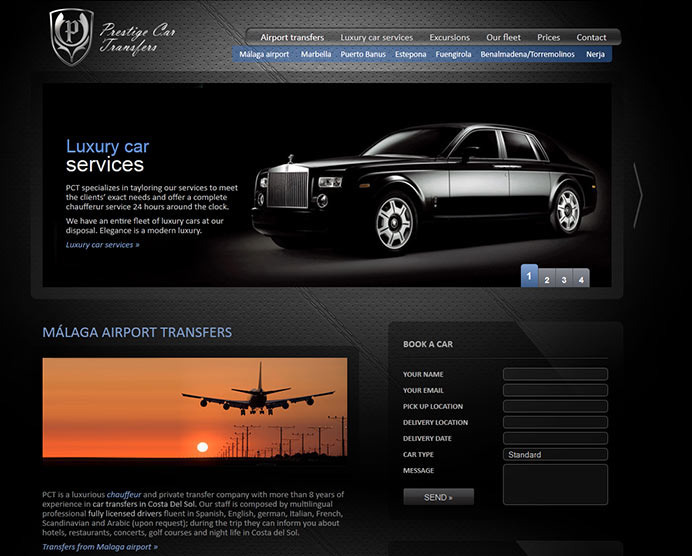
Read full articlePrestige Car Transfers
Smooth Step content manager is no match to Wordpress or other open source solutions where complex content layout is involved. This high quality transportation website has been produced using content in mixed columns, a feature that is easily handled with our manager.
The website is very successful generating many airport transfer requests due to our elegant design and SEO services.
Wednesday, 15 Aug 2012 by SmoothStep
Read full articleInnovative real estate website design & development based on our new administration software
This elegant real estate website has been designed having functionality in mind. For quick access to property listings the search is clearly visible on the home page. To ease the search a range selector has been implemented to select a price range without the need of entering the numbers manually/ Real estate listing pages are equipped with a horizontal version of the search panel that can be readjusted to perform further searches without having to click back button on the browser.
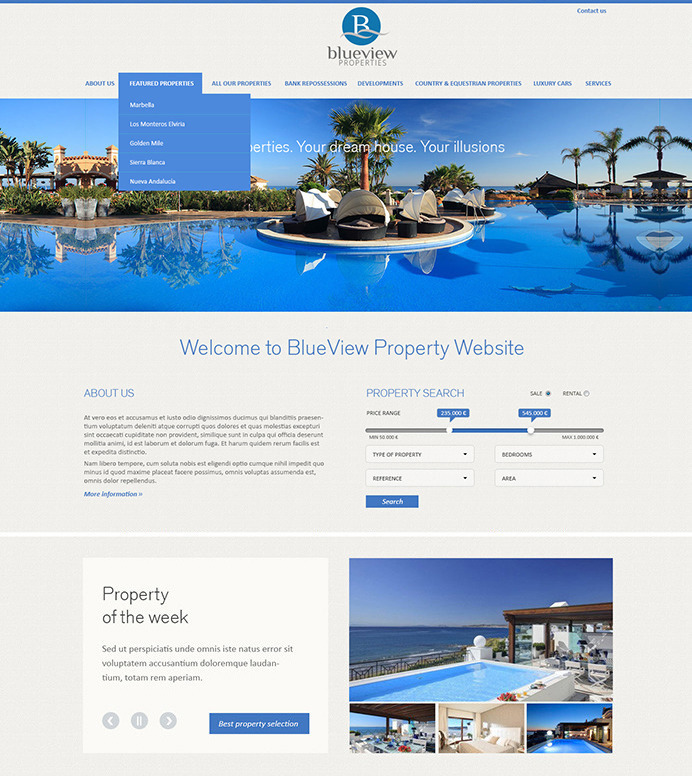
Website header has a full screen slideshow that readjusts itself depending on the screen size. The slideshow appears wider on the home page and thinner on all other pages for better access to the content. Website home page comes with featured property slideshow that displays selected featured properties with their photos, features and descriptions. Each property page also features photo slideshow designed to display full size images adjusted to client screen size.
The site has been developed on Wordpress content manager connected with our new Real Estate Management Software. The tool provides cutting edge tools for an easy property listing. Property photos can be uploaded in any size, the system will resize them to the required sizes automatically. Multiple photos can be selected for upload, once uploaded they can be rearranged visually by dragging the thumbnails to the desired position. The system also allows quickly choosing property features from the ones used on other properties as well as adding a new feature on the fly.
Sunday, 19 Feb 2012 by SmoothStep
Read full articleAdvanced real estate website design & development
A large real estate website project we have been developing during the recent months for an agency in Mallorca to replace their old website. The website is built using our Wordpress based SEO friendly Real Estate software.
In this project we have implemented our latest technologies in both visual interface and server programming. Highly optimized, the website handles over 3000 properties in 3 languages each with many high definition photos. The properties are daily updated from their internal real estate manager using our XML feed importer.
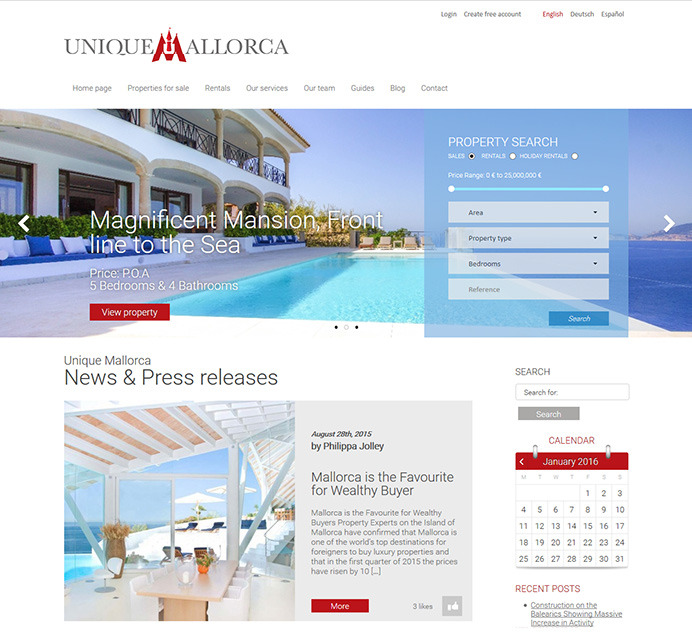
Website has many advanced features such as free registration for visitors that unlock their personal real estate shortlist, online support, dynamic visitor graphs for each property, PDF integration, AJAX based features such as contact form validation, visitor graphs, chat and shortlist management.
Visual interface has been enhanced using Javascript to overcome many limitations of standard HTML interface. This includes semi transparent search bar with range slider selectors, advanced search with beautifully designed multiple selectors, full screen slideshow and photo previews, interactive map to select an area in Mallorca, automated Google maps for each property, high quality non standard fonts and many others.
Wednesday, 9 Feb 2011 by SmoothStep
Read full articleArtistic video and photography
Working with photo retouch, video editing and post production for various projects we have developed various custom artistic image filtering techniques.
After reviewing large amount of saved filters and recorded footage our team has decided to release Sky Jazz artistic video and a new site focused on photo retouch, filming and post production.
Friday, 10 Dec 2010 by Smooth Step
Read full articleDynamic websites
Dynamic web development opens possibilities to build highly automated websites that can be easily managed using content and product management software while static ones are simply a bunch of HTML documents on the server.
Without any administration static sites give little benefit to site owner as websites that provide interactivity and fresh content tend to rank better.
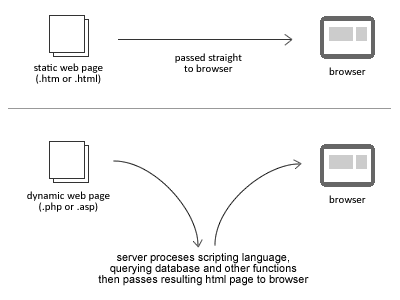
Article comments main benefits that can be achieved using dynamic development approach.
Wednesday, 4 Nov 2009 by Smooth Step
Read full articleComplete website renewal
Web designers are never happy with their own website… New ideas and techniques are appearing every day incrementing urge for renewal…
We have been looking at our old site for a long time writing a list of what could be made better. After a while the list got so long that we have decided to go for complete redesign. Several new things have been implemented these include: tag cloud with results ordered by relevancy, product section, dynamic slideshows and others.
Friday, 18 Sep 2009 by SmoothStep
Read full articlePlatform monitoring
Here we will try to present first steps one should take to analyze web application performance. This is very important as it is a basic foundation on which other actions are based.

We will stress here on monitoring the behavior of web application as it is vital to understand how it works.
Sunday, 15 June 2008 by Martin, SmoothStep
Read full articleServer side website caching
Chapter comments how to improve web application and overal website performance using server side caching.
Here we talk about several caching models with their pros and cons and examples, also where they have been used on Smooth Step CMS.
Friday, 2 May 2008 by SmoothStep
Read full articleChoosing website page names
Static URLs are very important to achieve best possible search engine positioning and to increase web site performance.

Article comments main difference between static and dynamic page names (URLs) and how to convert them using URL rewriting technology.
Thursday, 20 Mar 2008 by SmoothStep
Read full articlePopular web browsers
Free major web browsers to choose; their advantages, security and supported operating systems.
Make sure that you are using latest version of your web browser installed, especially if you are still using Internet Explorer 6 as it has serious security and rendering flaws.

Friday, 25 Jan 2008 by SmoothStep
Read full articleAntivirus
Computer viruses tend to slow down computer's performance and damage file system. In this chapter you will find free antivirus software to protect your computer.
Monday, 12 Nov 2007 by SmoothStep
Read full articleEmail security
Email service is often abused because of its democratic nature. When user publishes email address as text on the website it takes only a few days for pharmaceutical, scam or other type of email spam to arrive.
Friday, 5 Oct 2007 by SmoothStep
Read full articleInternet security
This chapter is about security on the internet - Fraudulent software and vulnerable web browsing applications.

You will also find information about free antivirus and antispyware software, firewalls and useful protection tips for safer internet usage.
Monday, 1 Oct 2007 by SmoothStep
Read full articleMain browser features
It is important to know how web browsers work to use website information and services effectively.
Here we have commented several basic web browser features for those who are not yet familiar.
Saturday, 15 Sep 2007 by SmoothStep
Read full articleE-mail software
Email software is a computer program designed to manage electronic mail.
Unlike web mail service, email software is capable of handling multiple email accounts; what can be very useful for business internet users.

Friday, 10 Aug 2007 by SmoothStep
Read full articleWeb mail
Web based e-mail service is very helpful for those who need free email account that is easily accessible from the internet by using web browser.
Here you will find major free email providers, also their pros and cons compared to business email service.
Sunday, 15 July 2007 by SmoothStep
Read full articleWelcome
Here you will find our frequently updated topics. Take your time to share your thoughts by posting a comment on a topic you find interesting.
If you have a high quality article related to one of our topics, contact us and we will consider to place it on this blog.
Monday, 4 June 2007 by SmoothStep
Read full article
Related Web pages
Check other Smooth Step articles related to web design, servers and SEO.
Collegium Musicum website design
Since they are a non lucrative organization we used economic web design based on Rosa website template which we have modified and improved to fit client requirements.
Exclusive web design
We are proud to be one of few web design companies still offering exclusive design service here in Marbella.
Web development
If you are interested in our web design services, fill our contact form below and we will help you to define clear structure, write content, design and develop your website.
Services
If your company needs high quality graphic design you can check our portfolio that includes logo design, flyers and brochure, business cards, web design and other available designs at affordable prices.
Real estate software
To cut design and development costs many property software providers and real estate web designers in general use prebuilt templates to make sites for their clients, however in many cases such websites are charged as if design would be unique.